Macau's Gamble: Healthcare Tourism or Just Another House Advantage?
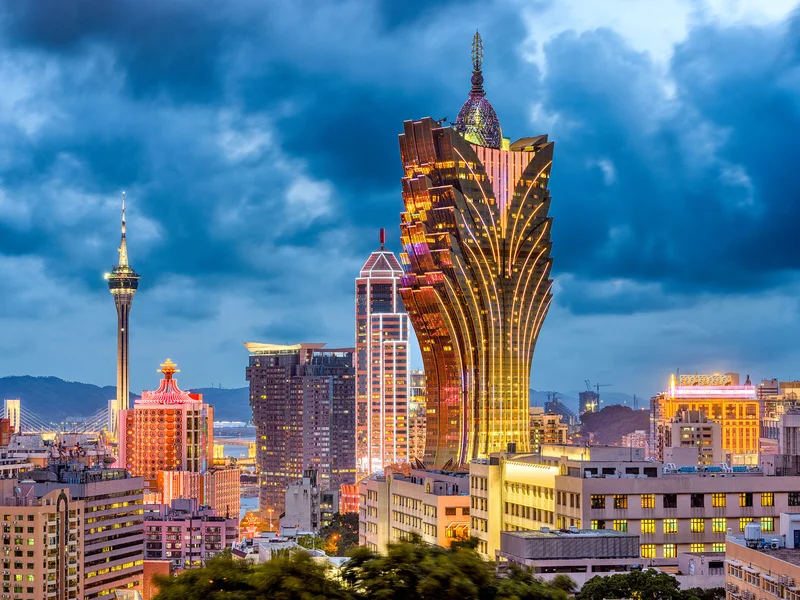
Macau, the former Portuguese colony that transformed into the world's biggest gambling hub, is now making a bet on healthcare tourism. The city, which once relied almost entirely on gaming revenue, is attempting to diversify its economy, following what appears to be a push from Beijing. The opening of iRad Hospital, a luxury medical resort, signals this shift. But is this a smart play, or just another way to keep the house (Macau’s casinos) winning?
Betting on Health
The pandemic exposed Macau's vulnerability. Casino closures decimated revenues, highlighting the need for a more resilient economic model. Officials are now actively courting industries like healthcare, technology, and events. Chinese leader Xi Jinping himself emphasized the need for "economic diversification" during a late 2024 visit.
iRad Hospital hopes to attract some of the nearly 40 million visitors who already flock to Macau each year. The idea is that by offering health screenings, advanced scans, and cosmetic procedures, visitors will stay longer and spend more. Can healthcare really replace the allure of high-stakes baccarat? And what's the potential upside for Macau here?
Asia is already a major player in medical tourism. South Korea is known for cosmetic surgery; Singapore for advanced treatments; India for affordable procedures. The global medical tourism industry is estimated to be worth tens of billions of dollars, with projections for significant growth. But Macau is betting it can carve out a niche.
The Odds of Success
Here's where I get skeptical. Macau’s primary appeal has always been gambling. Can it truly transform its image and infrastructure to become a credible healthcare destination? It’s one thing to add a spa to a casino resort; it’s another to build a reputation for cutting-edge medical care.
One of the biggest challenges, in my view, is trust. Medical tourists are highly discerning. They seek out established institutions with proven track records. Macau, while successful in entertainment, lacks that medical pedigree. Can it attract top-tier medical professionals and build state-of-the-art facilities quickly enough to compete with established players?
The political angle also raises questions. Beijing's increased control over Macau, including stricter security laws and the jailing of a prominent gambling tycoon, suggests a desire to rein in the city's excesses. Will Beijing fully support Macau's healthcare tourism ambitions, or will it view it with the same suspicion it has shown towards the gambling industry? Details on the specific support from Beijing remain scarce. Gambling hub Macau bets on healthcare tourism.
I've looked at hundreds of these economic diversification plans, and this one feels…ambitious. It's like trying to turn a cruise ship into a space shuttle overnight.
Is Macau Just Chasing a Mirage?
The medical tourism industry is undoubtedly lucrative, but Macau's chances of becoming a major player seem slim. The city faces significant challenges in building credibility, attracting talent, and navigating Beijing's evolving policies. For now, this healthcare bet looks more like a long shot than a sure thing.