Isaacman's "Project Athena": A Bold Leap or a Risky Gamble for NASA?
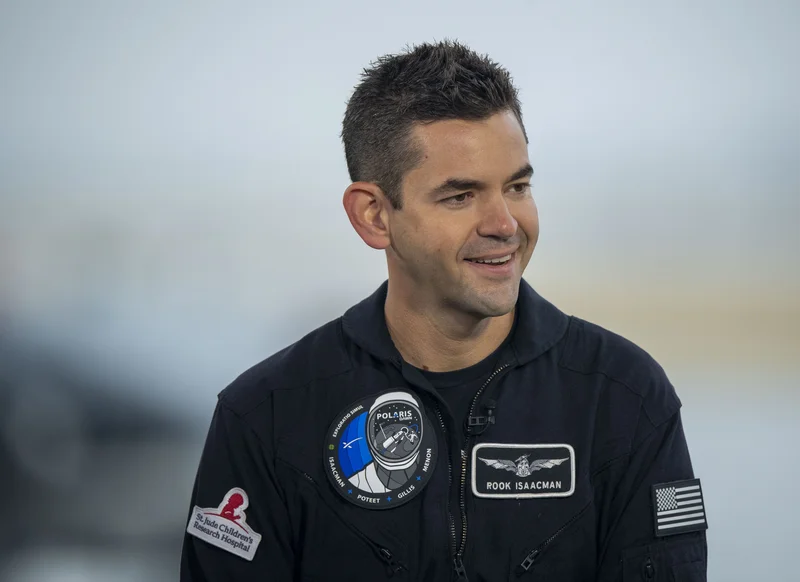
Okay, let's dive into this leaked "Project Athena" manifesto from Jared Isaacman, the former NASA Administrator nominee. The document, all 62 pages of it, lays out a pretty radical vision for NASA, one that involves outsourcing missions to the private sector and running the agency more like a business. Now, some might see this as a dangerous move, a step towards privatizing space exploration. But I see something else entirely: a potential catalyst for a new era of innovation.
The core idea here – and this is the "Big Idea" I think everyone's missing – isn't just about saving money or cutting red tape. It's about unleashing the raw, disruptive power of the private sector on the challenges of space exploration. Think about it: NASA, for all its incredible achievements, is still a government agency. It's bound by bureaucracy, by political considerations, by the inherent risk-aversion that comes with spending taxpayer dollars. Now, imagine a world where private companies, driven by profit and the thrill of innovation, are competing to build the best rockets, the most efficient spacecraft, the most groundbreaking technologies. What would that do to the pace of progress?
This reminds me a bit of the early days of the internet. Back then, the internet was largely a government and academic project. It wasn't until the private sector got involved that things really took off. Companies like Amazon, Google, and Facebook transformed the internet into the global phenomenon it is today. Could a similar transformation be in store for space exploration?
The article mentions that this vision "could complicate his surprise comeback." I think it's precisely what should make him the best choice.
Now, I know what some of you might be thinking. "But Dr. Thorne, isn't this dangerous? What about safety? What about the potential for monopolies? What about the risk of companies cutting corners to maximize profits?" These are all valid concerns, and we need to address them head-on. We need strong regulations, robust oversight, and a commitment to transparency. But we can't let these concerns paralyze us. We can't let fear of the unknown hold us back from pursuing a future where space is accessible to everyone, not just governments and billionaires.
And let's be honest, NASA needs a shake-up. It needs someone with the vision and the guts to challenge the status quo. Someone who isn't afraid to think big and take risks. Someone like Isaacman.
I saw a comment on a Reddit thread the other day that really resonated with me. Someone wrote, "Imagine a future where going to space is as common as flying on a plane. That's the future I want to live in." And I couldn't agree more! This isn't just about scientific advancement or economic opportunity; it's about the future of humanity. It's about our destiny as a species.
Of course, with great power comes great responsibility. We need to ensure that this new era of space exploration is inclusive, sustainable, and ethical. We need to protect the environment of space, prevent the weaponization of space, and ensure that the benefits of space exploration are shared by all of humanity. But I believe we can do it. I believe we can create a future where space is a source of hope, inspiration, and opportunity for everyone.
The Next Giant Leap For Mankind?
Isaacman's plan isn't just about outsourcing; it's about a fundamental shift in mindset. It's about embracing the power of innovation, competition, and entrepreneurship to accelerate the pace of space exploration. It's a bold vision, and it's one that could transform NASA into a truly 21st-century agency. I, for one, am incredibly excited to see what the future holds. Okay, let's dive into this leaked "Project Athena" manifesto from Jared Isaacman, the former NASA Administrator nominee. The document, all 62 pages of it, lays out a pretty radical vision for NASA, one that involves outsourcing missions to the private sector and running the agency more like a business. Now, some might see this as a dangerous move, a step towards privatizing space exploration. But I see something else entirely: a potential catalyst for a new era of innovation. According to A confidential manifesto lays out Isaacman's sweeping new vision for NASA, this plan involves outsourcing missions to the private sector and running the agency more like a business.